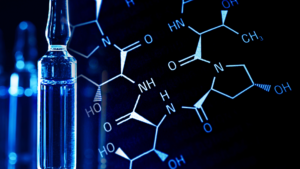
Neuropeptides are small protein-like molecules used by neurons to communicate with each other. Unlike classical neurotransmitters, which act quickly and locally, neuropeptides often produce slower but longer-lasting effects on brain function. They play a crucial role in regulating emotions, stress responses, and overall mental well-being. Increasing evidence shows that imbalances in neuropeptide systems are linked to mood disorders such as depression, anxiety, and stress-related conditions.
What Are Neuropeptides?
Neuropeptides are short chains of amino acids synthesized and released by neurons. They act as signaling molecules in the brain and nervous system, influencing a wide range of physiological and psychological processes.
Some well-known neuropeptides include:
- Endorphins – associated with pain relief and feelings of pleasure
- Oxytocin – linked to social bonding and trust
- Vasopressin – involved in social behavior and stress regulation
- Substance P – associated with pain perception and stress responses
Mechanisms of Action
Neuropeptides influence mood and mental health through several mechanisms:
1. Modulation of Neurotransmitters
They interact with classical neurotransmitters such as serotonin and dopamine, enhancing or inhibiting their effects.
2. Regulation of Stress Response
Neuropeptides are key components of the body’s stress system, particularly in the hypothalamic–pituitary–adrenal (HPA) axis. They help regulate how the body responds to stress.
3. Long-Lasting Effects
Unlike fast-acting neurotransmitters, neuropeptides can produce prolonged changes in neuronal activity, influencing mood over longer periods.
4. Brain Circuit Modulation
They affect neural circuits involved in emotion, reward, and motivation, especially in brain regions like the amygdala and hypothalamus.
Role in Mood Regulation
Neuropeptides are deeply involved in maintaining emotional balance:
- Positive Mood and Reward: Endorphins contribute to feelings of happiness and well-being
- Social Connection: Oxytocin enhances bonding, empathy, and trust
- Stress and Anxiety: Vasopressin and substance P are linked to stress responses and anxiety levels
A balanced neuropeptide system supports emotional stability, while disruptions can lead to mood disorders.
Neuropeptides in Mental Health Disorders
1. Depression
Altered levels of certain neuropeptides, including endorphins and substance P, have been associated with depressive symptoms.
2. Anxiety Disorders
Imbalances in stress-related neuropeptides can increase susceptibility to anxiety and panic disorders.
3. Post-Traumatic Stress Disorder (PTSD)
Dysregulation of neuropeptides involved in stress and fear processing contributes to PTSD.
4. Social Disorders
Reduced oxytocin signaling has been linked to conditions involving social dysfunction, such as autism spectrum disorders.
Therapeutic Potential
Neuropeptides are promising targets for new treatments:
- Peptide-Based Drugs: Developing synthetic versions to regulate mood and stress
- Receptor Modulators: Targeting neuropeptide receptors to adjust brain signaling
- Personalized Medicine: Tailoring treatments based on individual neurochemical profiles
However, challenges such as delivery to the brain and stability of peptide drugs must be addressed.
Challenges and Limitations
- Blood–Brain Barrier: Many neuropeptides cannot easily cross into the brain
- Short Half-Life: Rapid degradation limits their therapeutic use
- Complex Interactions: Multiple overlapping systems make precise targeting difficult
Future Perspectives
Advances in neuroscience, drug delivery systems, and biotechnology are opening new possibilities for targeting neuropeptides in mental health treatment. Techniques such as nanoparticle delivery and intranasal administration are being explored to improve brain access.
Conclusion
Neuropeptides play a vital role in mood regulation and mental health by influencing brain signaling, stress responses, and emotional processing. Understanding their functions and interactions provides valuable insights into the biological basis of mental health disorders and offers promising avenues for developing more effective and targeted therapies.