April 22, 2026

Antifouling Peptides for Marine and Industrial Surfaces

Biofouling—the unwanted accumulation of microorganisms, algae, and marine organisms on surfaces—is a major challenge in both marine and industrial environments. It affects ship hulls, offshore structures, pipelines, water treatment systems, and medical devices. Traditional antifouling strategies often rely on toxic coatings, which can harm ecosystems and face increasing regulatory restrictions. In response, antifouling peptides have […]

Antifouling Peptides for Marine and Industrial Surfaces Read More »
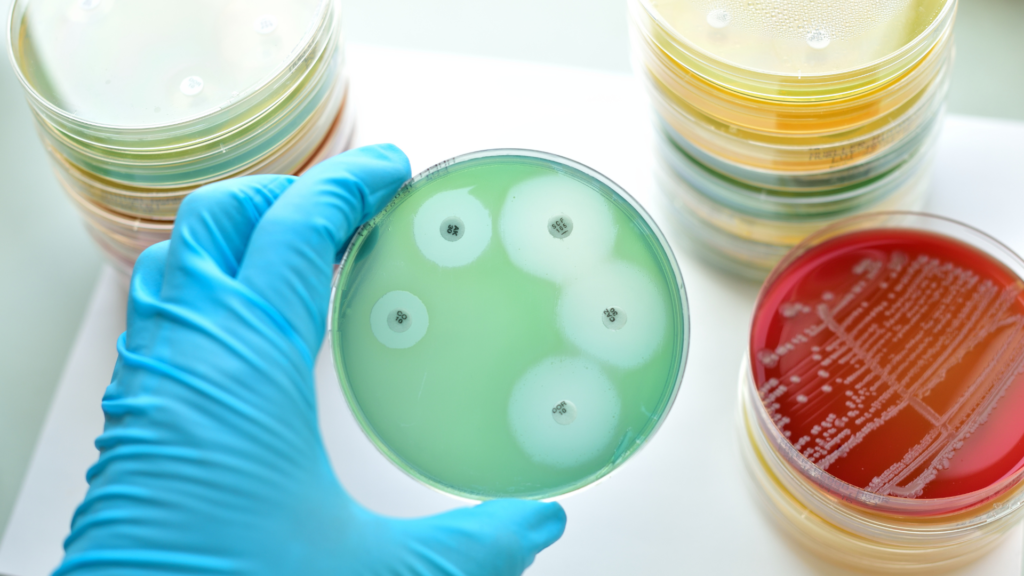
Designing Antimicrobial Peptides Against Antibiotic-Resistant Bacteria

The rapid rise of antibiotic-resistant bacteria has become one of the most serious global health threats. Traditional antibiotics are losing effectiveness due to overuse and misuse, leading to infections that are increasingly difficult to treat. In this context, antimicrobial peptides (AMPs) have emerged as promising alternatives. These naturally occurring molecules are part of the innate

Designing Antimicrobial Peptides Against Antibiotic-Resistant Bacteria Read More »

Peptide vs Small-Molecule Drugs: Advantages and Limitations

Drug discovery has traditionally relied on small-molecule drugs, but peptide-based therapeutics are becoming increasingly important in modern medicine. Peptides, which are short chains of amino acids, lie between small molecules and large biologics in terms of size and complexity. Their unique properties allow them to interact with biological systems in ways that differ significantly from

Peptide vs Small-Molecule Drugs: Advantages and Limitations Read More »

Shopping Cart