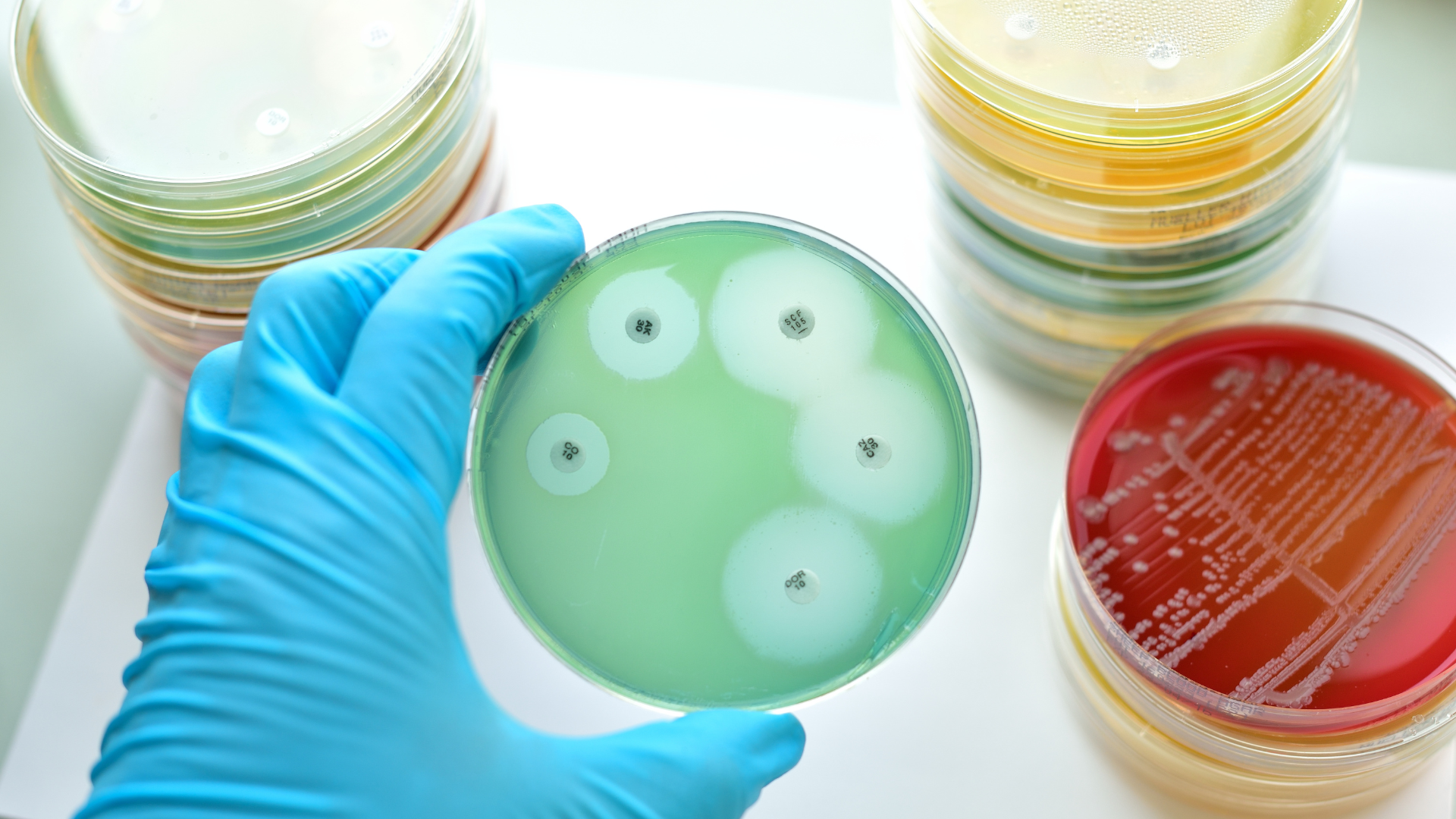
The rapid rise of antibiotic-resistant bacteria has become one of the most serious global health threats. Traditional antibiotics are losing effectiveness due to overuse and misuse, leading to infections that are increasingly difficult to treat. In this context, antimicrobial peptides (AMPs) have emerged as promising alternatives. These naturally occurring molecules are part of the innate immune system in many organisms and possess broad-spectrum antimicrobial activity. Designing effective antimicrobial peptides offers a novel strategy to address resistance and develop next-generation therapeutics.
What Are Antimicrobial Peptides?
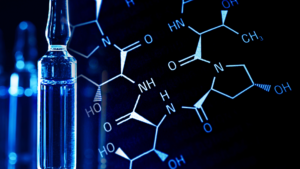
Antimicrobial peptides are short chains of amino acids, typically consisting of 10–50 residues, that can kill or inhibit the growth of microorganisms such as bacteria, fungi, and viruses. They are usually positively charged and amphipathic, meaning they contain both hydrophilic and hydrophobic regions. This structural property enables them to interact with and disrupt microbial membranes.
Mechanisms of Action
Unlike conventional antibiotics that often target specific bacterial enzymes or pathways, antimicrobial peptides typically act by disrupting the bacterial cell membrane. Their positive charge allows them to bind to negatively charged bacterial membranes, leading to membrane destabilization, pore formation, and ultimately cell death.
Some AMPs also penetrate the cell and interfere with intracellular processes such as DNA, RNA, or protein synthesis. Because of these multiple modes of action, bacteria are less likely to develop resistance against AMPs compared to traditional antibiotics.
Design Strategies for Antimicrobial Peptides
1. Sequence Optimization
Designing effective AMPs begins with selecting and modifying amino acid sequences to enhance antimicrobial activity while minimizing toxicity to human cells. Adjusting charge, hydrophobicity, and peptide length can significantly influence performance.
2. Structural Engineering
Secondary structures such as alpha-helices and beta-sheets play a key role in peptide function. Stabilizing these structures through chemical modifications can improve peptide stability and activity.
3. Enhancing Selectivity
A major goal is to ensure that AMPs selectively target bacterial cells without harming human cells. This can be achieved by fine-tuning the balance between hydrophobic and charged residues.
4. Improving Stability
Natural peptides are often susceptible to enzymatic degradation. Strategies such as cyclization, incorporation of non-natural amino acids, and peptide modification can increase resistance to degradation.
5. Computational Design
Advances in bioinformatics and machine learning have enabled the prediction and design of novel AMPs. Computational tools can screen large peptide libraries and identify candidates with optimal properties before laboratory testing.
Advantages of Antimicrobial Peptides
Antimicrobial peptides offer several advantages over traditional antibiotics. They have broad-spectrum activity, rapid killing mechanisms, and a lower tendency to induce resistance. Additionally, they can be engineered to target specific pathogens, making them highly versatile.
Challenges and Limitations
Despite their potential, AMPs face several challenges. They can be expensive to produce and may exhibit toxicity at higher concentrations. Their stability in physiological conditions is also a concern, as they can be degraded by proteases in the body. Furthermore, delivering peptides effectively to the site of infection remains a significant hurdle.
Future Perspectives
Ongoing research is focused on overcoming these limitations through innovative design and delivery strategies. Nanotechnology-based delivery systems, peptide conjugation, and hybrid molecules are being explored to enhance stability and efficacy. As technology advances, antimicrobial peptides are expected to play a crucial role in combating antibiotic resistance.
Conclusion
The design of antimicrobial peptides represents a promising approach to addressing the growing problem of antibiotic-resistant bacteria. By leveraging their unique mechanisms of action and optimizing their properties through modern scientific techniques, AMPs have the potential to become powerful tools in the fight against infectious diseases. Continued research and development will be essential to translate these molecules from the laboratory to clinical practice.