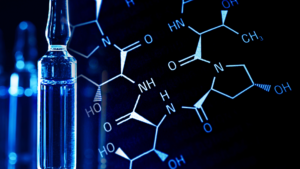

Drug discovery has traditionally relied on small-molecule drugs, but peptide-based therapeutics are becoming increasingly important in modern medicine. Peptides, which are short chains of amino acids, lie between small molecules and large biologics in terms of size and complexity. Their unique properties allow them to interact with biological systems in ways that differ significantly from small molecules. Understanding the advantages and limitations of both classes is essential for selecting the most effective therapeutic strategy.
Peptide Drugs: Advantages
Peptide drugs offer several important benefits. One of their most significant strengths is high specificity. Because they are structurally similar to natural biological molecules, peptides can bind very precisely to their targets, often reducing unwanted side effects. This makes them particularly useful in targeting protein–protein interactions, which are difficult for small molecules to address.
Another advantage is their generally lower toxicity. Peptides are typically broken down into amino acids in the body, which reduces the risk of harmful accumulation. They also tend to have strong biological activity, meaning they can effectively mimic or block natural signaling pathways. This has made them especially valuable in treating conditions such as diabetes, hormonal disorders, and certain cancers.
Peptide Drugs: Limitations
Despite their advantages, peptide drugs have several drawbacks. One major limitation is poor stability. They are easily degraded by enzymes in the body, particularly in the digestive system, which makes oral administration difficult. As a result, most peptide drugs must be delivered by injection.
Peptides also often have low bioavailability and short half-lives, meaning they do not remain in the bloodstream for long. This can require frequent dosing, which may reduce patient compliance. Additionally, the production of peptide drugs can be more complex and costly compared to small molecules.
Small-Molecule Drugs: Advantages
Small-molecule drugs remain the most widely used type of therapeutic agents. A key advantage is their oral availability. Many can be taken as tablets or capsules, making them convenient for patients. They are also generally stable and resistant to enzymatic degradation, allowing them to maintain their effectiveness in the body.
Another important benefit is their ability to penetrate tissues and cells easily. This allows small molecules to target intracellular processes, which peptides often cannot reach. Furthermore, small-molecule drugs are typically less expensive to produce, making them more accessible on a large scale.
Small-Molecule Drugs: Limitations
However, small-molecule drugs also have limitations. They often have lower specificity compared to peptides, which increases the likelihood of off-target interactions and side effects. Because they can interact with multiple biological pathways, unintended effects can occur.
Additionally, small molecules are less effective at targeting large or complex protein surfaces, such as protein–protein interactions. This restricts their use in certain therapeutic areas where more precise targeting is required.
Conclusion
Peptide and small-molecule drugs each have distinct advantages and limitations. Peptides offer high specificity, strong biological activity, and lower toxicity, but are limited by poor stability and delivery challenges. Small molecules, on the other hand, are stable, cost-effective, and easy to administer, yet may lack the precision needed for certain targets.
In modern drug development, these two classes are increasingly seen as complementary rather than competing. Advances in technology are helping to overcome their respective limitations, paving the way for more effective and personalized treatments.