Biofouling—the unwanted accumulation of microorganisms, algae, and marine organisms on surfaces—is a major challenge in both marine and industrial environments. It affects ship hulls, offshore structures, pipelines, water treatment systems, and medical devices. Traditional antifouling strategies often rely on toxic coatings, which can harm ecosystems and face increasing regulatory restrictions. In response, antifouling peptides have emerged as an eco-friendly and innovative alternative, offering targeted and sustainable surface protection.
What Are Antifouling Peptides?
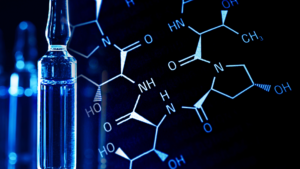
Antifouling peptides are short chains of amino acids designed to prevent the attachment and growth of organisms on surfaces. Unlike conventional biocides that kill organisms indiscriminately, these peptides can either inhibit adhesion or disrupt early-stage biofilm formation. They are often inspired by natural defense mechanisms found in marine organisms such as algae, fish, and invertebrates.
Mechanisms of Action
Antifouling peptides function through several mechanisms:
- Surface Interaction Prevention: They modify surface properties, making it difficult for microorganisms to adhere.
- Membrane Disruption: Some peptides act similarly to antimicrobial peptides by disrupting microbial cell membranes.
- Biofilm Inhibition: They interfere with signaling pathways (e.g., quorum sensing), preventing the formation of biofilms.
- Protein Adsorption Control: Certain peptides reduce the initial protein layer that facilitates organism attachment.
These combined effects help maintain cleaner surfaces without relying on toxic chemicals.
Applications
1. Marine Industry
Antifouling peptides can be incorporated into coatings for ship hulls, reducing drag, improving fuel efficiency, and lowering maintenance costs. They are also useful for offshore platforms and underwater sensors.
2. Industrial Systems
In water treatment plants, pipelines, and cooling systems, biofouling can reduce efficiency and increase energy consumption. Peptide-based coatings help maintain system performance and reduce downtime.
3. Medical and Biomedical Surfaces
Although primarily marine-focused, these peptides are also applicable in preventing bacterial adhesion on medical devices such as catheters and implants.
Advantages
- Environmentally Friendly: Biodegradable and less toxic than traditional antifouling agents
- Targeted Action: Can be designed for specific organisms or environments
- Reduced Resistance Risk: Less likely to induce resistance compared to chemical biocides
- Versatility: Can be integrated into various materials and coatings
Challenges and Limitations
Despite their promise, antifouling peptides face several challenges:
- Stability Issues: Peptides can degrade in harsh environmental conditions (e.g., saltwater, UV exposure)
- Cost of Production: Synthesis and large-scale manufacturing can be expensive
- Surface Integration: Ensuring long-term attachment of peptides to surfaces remains technically challenging
- Performance Duration: Maintaining effectiveness over long periods is still under investigation
Future Perspectives
Advances in material science and biotechnology are helping overcome these limitations. Strategies such as peptide immobilization, nanostructured coatings, and hybrid materials are improving durability and performance. Computational design and synthetic biology are also enabling the creation of more efficient and stable peptide sequences tailored for specific applications.
Conclusion
Antifouling peptides represent a promising and sustainable solution to the persistent problem of biofouling in marine and industrial environments. By combining biological inspiration with modern engineering, these peptides offer an effective alternative to traditional toxic coatings. Continued research and technological innovation will be essential to fully realize their potential and enable widespread adoption.